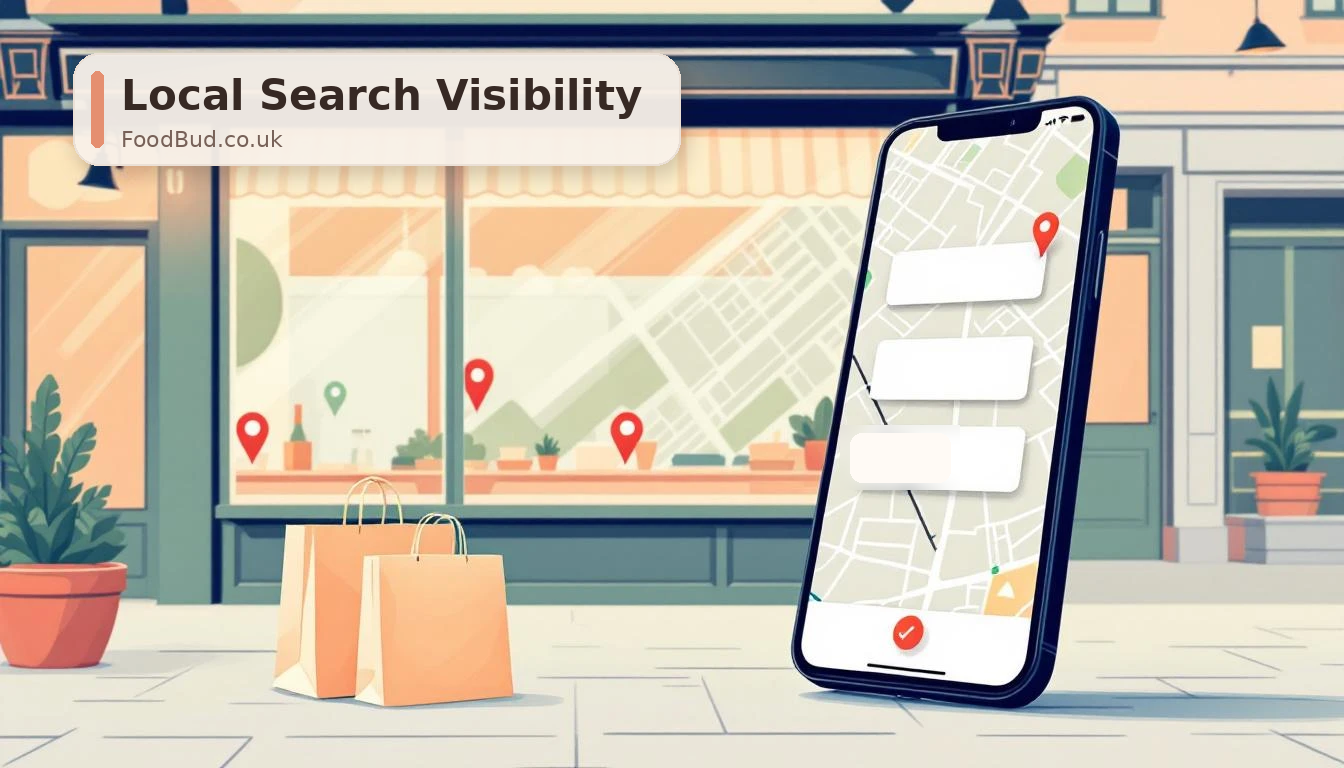
When someone searches "takeaway near me", Google is not trying to reward the business with the prettiest website. It is trying to answer a simple question: which takeaway is relevant, close enough, trusted, and easy to order from right now?
That is why local SEO matters so much for independent takeaways in 2026. The fight is no longer just for blue links on a results page. It is for Google Maps visibility, a strong Google Business Profile, useful menu information, recent reviews, fast mobile pages, and clear ordering routes.
If your takeaway depends on walk-ins, phone orders, delivery orders, or collection orders, this is work worth doing. Not once. Weekly.
Start with your Google Business Profile
Your Google Business Profile is usually the first thing a hungry customer sees. Before they reach your website, they may already have checked your opening hours, rating, photos, menu link, distance, and order button.
Get the basics right first:
- Use your real trading name, not a keyword-stuffed version of it.
- Pick the most accurate primary category, such as pizza takeaway, Indian takeaway, Chinese takeaway, or restaurant if that is genuinely the best fit.
- Add secondary categories only when they match what you actually sell.
- Keep normal hours, bank holiday hours, and temporary closure details current.
- Use a local phone number and make sure it matches your website and directory listings.
- Point the website and order links to pages you control where possible.
This sounds basic because it is. It is also where a lot of takeaways leak orders. A wrong opening time or dead menu link is enough for a customer to choose someone else.
Make your menu easy for Google and customers to read
A menu hidden inside a PDF, image, or third-party page is harder to use and harder to trust. Your menu should exist as normal text on your own website, with clear sections, item names, descriptions, prices, allergens where relevant, and obvious ordering buttons.
That helps with searches like:
- "chicken parmesan takeaway near me"
- "halal burgers in Hull"
- "late night pizza delivery"
- "family kebab meal collection"
It also helps customers decide faster. People do not want to pinch and zoom a blurry menu while they are hungry. They want to scan, choose, and order.
Build pages for the searches people actually make
Most takeaway searches are local and specific. A single homepage rarely covers enough ground on its own.
If your business serves several areas or sells several popular cuisines, build useful pages around those real searches. For example:
- pizza delivery in [area]
- Indian takeaway in [town]
- burger collection near [neighbourhood]
- late-night takeaway in [city]
- family meal deals in [area]
Do not churn out thin pages with swapped place names. Google and customers both see through that. Each page should contain something genuinely useful: delivery areas, collection times, best-selling dishes, parking notes, local landmarks, FAQs, and a clear route to order.
Reviews are part of ranking now
Reviews influence trust, click-through, and local visibility. A takeaway with recent, detailed reviews looks alive. A profile with old unanswered reviews looks neglected, even if the food is good.
A simple review routine works better than a big one-off push:
- Ask happy customers after collection or delivery.
- Add a review QR code to receipts, bags, or counter cards.
- Reply to reviews within a day or two where possible.
- Mention the dish or order type naturally when you reply.
- Do not argue publicly with bad reviews. Stay calm, specific, and professional.
The goal is not a perfect-looking profile. A few imperfect reviews are normal. The goal is to show that real customers order from you regularly and that the business is paying attention.
Add fresh photos without overthinking it
Photos matter because takeaway decisions are visual. Fresh images of popular dishes, your counter, your packaging, your team, and seasonal specials give customers more confidence.
You do not need a studio shoot every week. A steady habit is better:
- Upload a few new food photos each month.
- Keep your logo and cover photo clean and current.
- Avoid stock food photography. It looks cheap and it weakens trust.
- Show real portions, real packaging, and real menu items.
If a dish is one of your best sellers, make sure people can see it before they order.
Keep your website fast, mobile-friendly, and direct
Most takeaway traffic is impatient mobile traffic. If your site is slow, hard to tap, or confusing, rankings are only half the problem. You will lose the customer after the click.
Your website should make the next step obvious:
- Order online
- Call now
- View menu
- Find delivery areas
- Check opening hours
FoodBud.co.uk is built around that direct-ordering idea: give independent takeaways a clean route for customers to order without sending every relationship through someone else's platform. For SEO, that matters because your own site becomes a stronger asset over time instead of just a placeholder.
Use local links and mentions
Google looks for signs that your business is known in the local area. You can build those signs without turning into a full-time marketer.
Good local signals include:
- local newspaper mentions
- food blogger reviews
- community sponsorships
- school, club, or charity partnerships
- local business directory listings
- consistent Apple Maps, Bing Places, and directory details
The important word is consistent. Your name, address, phone number, website, and opening hours should match wherever customers and search engines find you.
A weekly local SEO routine for takeaways
If you only have one hour a week, use it well. Here is a practical routine:
- Monday: check opening hours, menu links, delivery areas, and your order button.
- Tuesday: reply to new reviews.
- Wednesday: add one Google Business Profile update, such as a special, best seller, or new dish.
- Thursday: upload two or three fresh photos.
- Friday: search your main terms from a mobile phone and note what has changed.
That routine will not fix everything overnight. It will, however, stop your online presence going stale. For local takeaway SEO, stale is dangerous.
What to measure
Ranking reports are useful, but they are not the whole story. Track the numbers that connect to orders:
- Google Business Profile calls
- website clicks from Google
- direction requests
- direct online orders
- repeat orders
- review count and review recency
- searches for your takeaway name plus "menu" or "order"
If more people are finding you, trusting you, and ordering directly, the SEO work is doing its job.
The short version
To rank your takeaway on Google in 2026, you need the basics nailed down and maintained: a complete Google Business Profile, a readable menu, useful local pages, recent reviews, fresh photos, a fast mobile site, and a direct ordering path.
FoodBud.co.uk helps with the direct ordering side. The rest is the discipline around it: keeping your local presence accurate, useful, and active enough that Google and customers can trust it.